A dent on your car’s exterior can look small, but putting that surface right usually means doing careful work on the side of the metal nobody sees. At paintless dent repair companies, technicians use specialized tools, years of hands-on experience, and a steady touch to reshape damaged panels while keeping the factory paint intact, provided the damage suits paintless dent repair (PDR). Whether it’s hail scattered across a roof or a crease in a door, kśnowing how technicians get to the hidden side of a panel makes it easier to appreciate what goes into a clean result.
What Happens Behind a Car’s Body Panels?
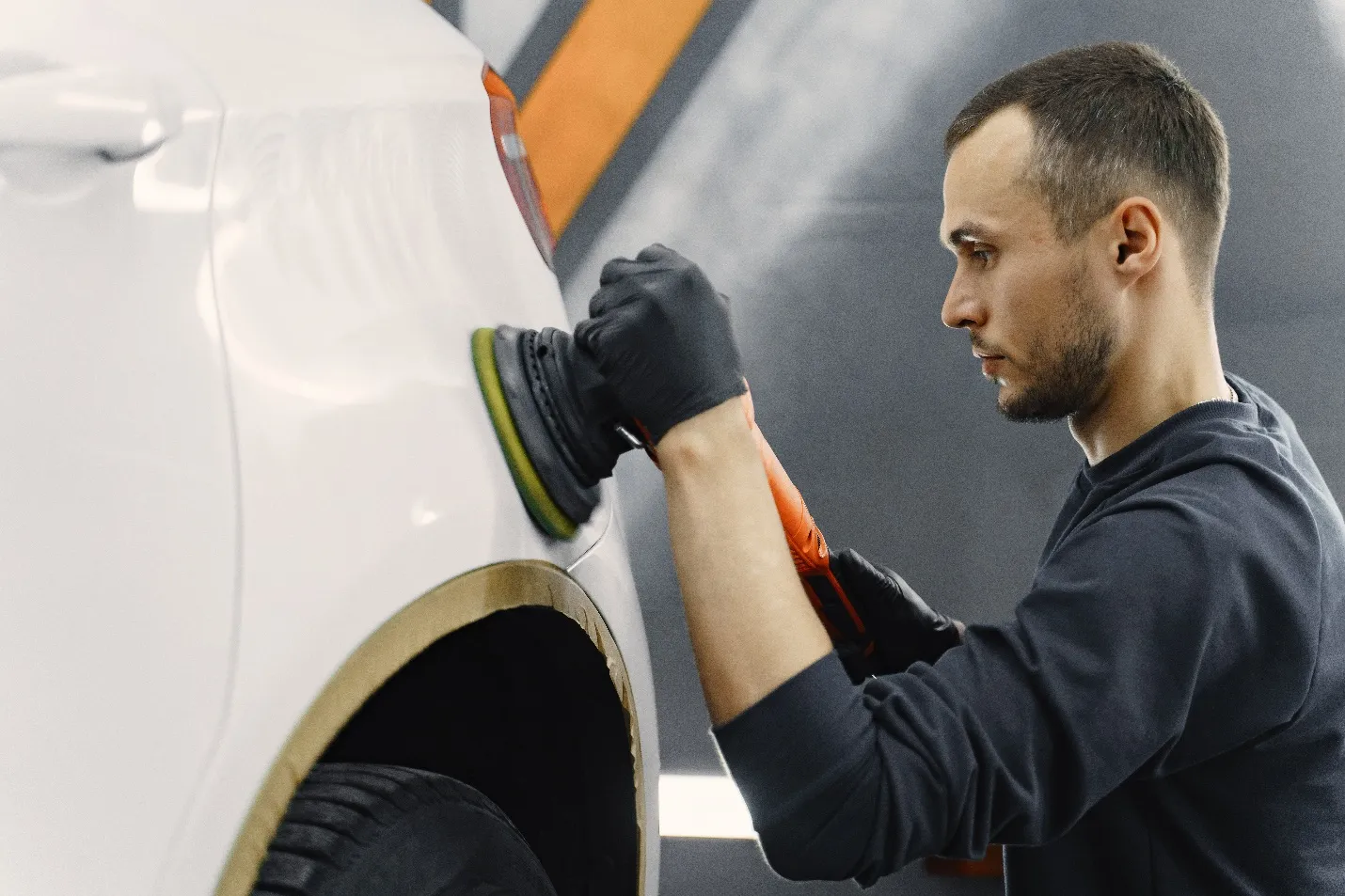
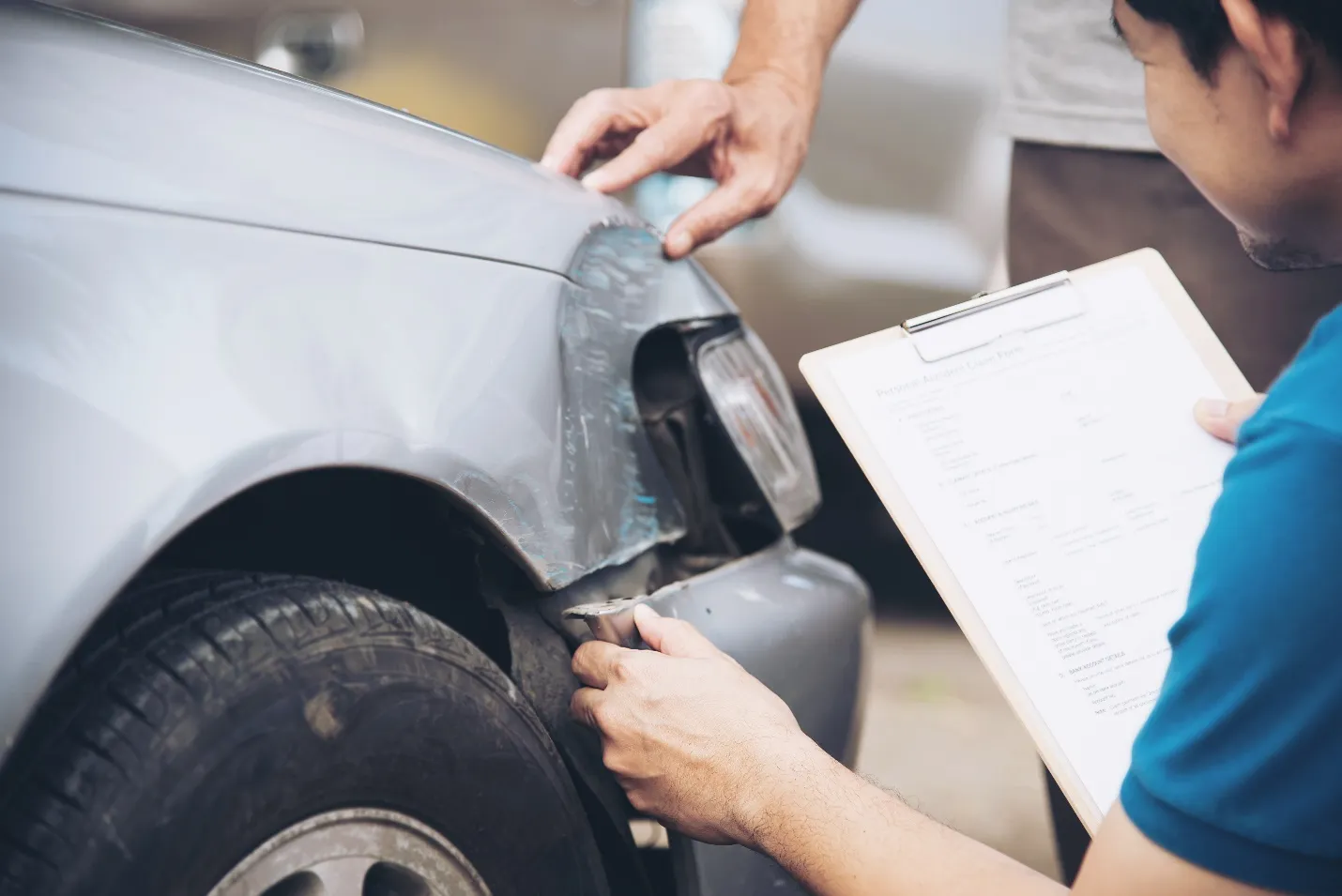
Pull back a door card or a headliner, and you’ll find that a panel is never just a sheet of metal floating on its own. Hoods, roofs, doors, and quarter panels are backed by braces, reinforcements, and structural members that give the vehicle its strength and shape, and a dent often lands right next to one of them. So the first job is looking, not lifting. We study the dent’s depth, its position, and whatever sits behind it, because that tells us where we can get in and which technique suits the way that particular vehicle was built. A good plan at this stage saves a lot of guesswork later and goes a long way toward a smooth, even finish.
How Do Technicians Reach Dents From the Inside?
Here’s the part most people find surprising: when the damage is a good fit for PDR, the panel can be reshaped without body filler and without a fresh coat of paint. Depending on the vehicle and where the dent sits, we might work with long, slender rods, tools bent to a specific angle, or other precision instruments that slip behind the panel through existing gaps and openings. From there, we apply small, controlled pressure to the back of the metal and coax the dent toward its original contour. It’s slow work, and it should be, since every tiny push changes how the surrounding metal sits. Force isn’t the goal. Control is, along with a habit of stopping often to check what the panel is doing.
Why Hail Damage Requires a Thoughtful Repair Approach
A single storm can leave dozens or even hundreds of dents across the hood, roof, trunk, and other panels, which is why drivers looking for a hail damage body shop in Monticello often want to know what the process actually looks like before they commit. Each dent has its own depth, location, and access situation, so we assess panels one at a time rather than treating the whole car as a single job. Some spots open up easily from behind. Others sit over a brace or a tight section of structure and call for specialized tools or a different angle of attack, which is exactly where experience pays off. We map out the full pattern of damage first, plan the sequence, and then work through it as efficiently as the panels allow.
The Specialized Tools That Make PDR Possible
PDR comes down to matching the tool to the spot. Technicians keep a range of lengths, shapes, and tip styles on hand so they can reach specific areas and apply pressure exactly where it’s needed without disturbing the finish around it. Lighting matters just as much as the tools do. Specialized lamps and reflection boards show subtle highs and lows in the metal that ordinary shop lighting would hide, and they let us read the surface almost like a topographic map. We keep watching the panel as we go and adjust as it responds, aiming for an even, consistent surface. A typical repair moves through four stages:
- Inspecting the damage: We look at the dent’s depth, location, and the condition of the surrounding panel.
- Finding the right access point: We pick a route to the underside of the damaged metal.
- Reshaping the panel: We use controlled pressure and precise movements to bring back the original contour.
- Checking the finish: We use specialized lighting to catch any remaining irregularities and gauge our progress.
Working in that order keeps each repair methodical and lets us respond to what each vehicle needs.
Why Experience Matters When Working Behind Panels
Getting a tool behind a dent is the easy half. Knowing where to set it, how much pressure to use, and how that particular piece of metal will respond is what takes years to learn. Panel edges, curved surfaces, and sharp body lines are where this shows most, because metal behaves differently in each of those spots and rewards a lighter hand. We make gradual adjustments, protect the panel’s natural lines, and check the surface again and again as we go. Experienced paintless dent repair companies also know that PDR isn’t the answer for every dent, and that honest judgment is part of the craft. Paint condition, severity, metal type, and access all shape the recommended method. When PDR does fit, it can restore the original shape without the sanding, filling, and repainting that come with many conventional repairs.
What Does This Mean for Your Vehicle?
All of this is why a professional inspection is the best place to start. A dent that looks simple from the outside might need a particular tool, a carefully chosen access point, or a specific order of adjustments, and you can’t always tell which from the driver’s seat. At Harrod Paintless Dent Repair, we put our attention on those details before settling on an approach for your vehicle. Whether you’re dealing with a couple of stray dings or a roof full of hail damage, a thorough evaluation gives you realistic expectations and points toward the right solution. When the paint is intact and the metal can be reshaped, PDR is an effective way to improve your vehicle’s appearance while keeping its factory finish.
Conclusion
Every successful paintless dent repair rests on technical knowledge, the right equipment, and close attention to detail. By working from behind the body panels and gradually reshaping the metal, technicians can correct many kinds of damage while preserving the original paint. If your vehicle has hail dents, door dings, or other exterior damage, reach out to our team to talk through your repair needs and set up a professional assessment. We’ll walk you through your options and work toward a result that brings back that clean, well-kept look.
FAQs
1. How do technicians reach dents hidden beneath a car’s body panels?
Technicians use specialized rods and precision tools to access the underside of panels through suitable openings. They apply controlled pressure to gradually restore the metal’s original shape.
2. Can paintless dent repair fix hail damage across multiple panels?
Yes, PDR can address hail dents across the hood, roof, trunk, and other panels when the damage is suitable. Each affected area is assessed to determine the appropriate repair approach.
3. Does paintless dent repair preserve a car’s original paint?
Yes, PDR is designed to reshape the metal without repainting the panel when the existing paint is intact and the damage is suitable for this method.
4. Why do technicians use specialized lighting during dent repair?
Specialized lighting and reflection boards help technicians identify subtle dents and uneven areas. These tools also allow them to monitor the panel’s shape throughout the repair.
5. What factors determine whether a dent is suitable for paintless dent repair?
The dent’s depth, location, paint condition, metal type, and accessibility all influence whether PDR is appropriate. A professional inspection helps determine the best repair method for your vehicle.